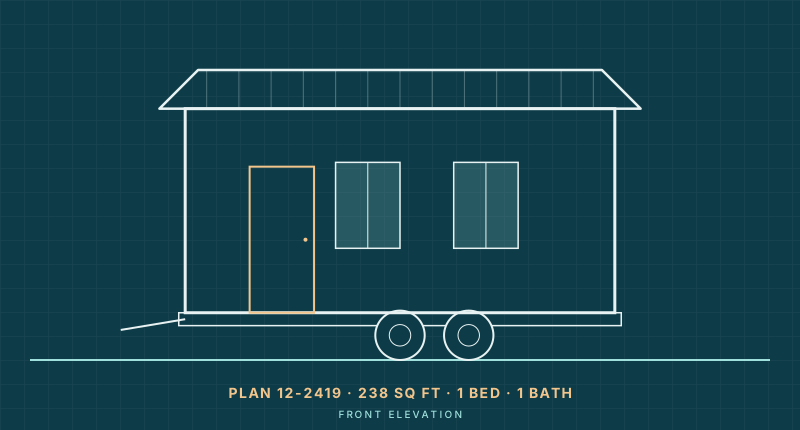
Plan 12-2419
The Wren: 20 ft Tiny House on Wheels with Sleeping Loft
- 238 sq ft
- 1 bed
- 1 bath
- On wheels
$395View plan

Buying
New vs used, builder vs DIY, inspections, certification, financing and delivery, plus the questions to ask before you hand over a deposit.
How to buy a tiny house: first confirm where it can legally go, then set a budget, choose between new from a builder, used, a shell or building from plans, vet the seller, inspect the house and its paperwork, arrange financing and insurance, and plan delivery. Securing a legal spot before paying a deposit avoids the most common and costly mistake.
Buying a tiny home is not like buying a regular house. There is often no real estate agent, no standard inspection, no appraisal and no title company checking the details, and a tiny house on wheels may be legally closer to an RV than a home. That puts more of the homework on you. Whether you are wondering how to buy a tiny home outright or how to get a tiny home by building one, the seven steps below cover it in order.
How do I buy a tiny house without regretting it? Before you look at a single listing, know where the house will legally sit. A tiny house on wheels is usually classified as an RV, so it fits RV parks, tiny home communities and land where RV living is allowed. A foundation tiny home is permitted like a house, so it needs land where zoning allows a dwelling of that size, either as a primary home or as an ADU. Many parks and communities require RV or park model certification, which rules out some homemade houses.
Our posts on where to put a tiny house and putting a tiny home in your backyard cover the options, and the tiny house zoning laws guide explains the legal detail. Rules vary; check with your local planning office.
Build your budget from the whole project, not just the sticker price. Beyond the house, include land or lot rent, delivery, site prep, foundation or leveling, utility connections, permits, insurance and furnishing. As typical estimates, builder-built tiny homes run about $250 to $500 per sq ft depending on finish, and DIY builds about $150 to $330 per sq ft; a new tiny house trailer alone is typically $6,000 to $12,000. Our tiny house cost guide breaks it down line by line, and are tiny homes worth it? looks at the trade-offs.
How can I buy a tiny house, practically speaking? There are five main routes, each with different costs and risks.
| Route | Typical cost basis | Pros | Watch out for |
|---|---|---|---|
| New from a builder | About $250 to $500 per sq ft | Turnkey, often certified, warranty | Wait times, deposit risk, builder stability |
| Used | Varies with age, condition and certification | Lower price, available now | Hidden damage, missing paperwork, title issues |
| Shell, finished by you | Between builder and DIY pricing | Structure done professionally; save on finishes | Certification may not cover your work |
| Kit | Kit price plus labor and finishes | Precut parts, faster framing | What is excluded; see kits vs plans |
| Build from plans | About $150 to $330 per sq ft DIY | Lowest cost, fully customized | Your time, skills and permits |
Where to buy a tiny house depends on the route. New homes come from tiny house builders and some RV and park model dealers. Used homes are sold through tiny house listing sites, general marketplaces, and occasionally through communities or RV parks when owners move on. Shells and kits come from builders and kit companies. If you build, you need a good set of plans; our tiny house plans include full construction drawings, and the how to build a tiny house guide covers the process. Before you commit to a size, try the size calculator.
With a builder, you are often paying a large sum months before delivery, so due diligence matters. Ask:
With a private seller, ask why they are selling, where the house has been parked, whether it has been moved and how often, and for any records of repairs, inspections and certification.
Get a written contract with a delivery date, a full specification and staged payments tied to milestones. Avoid paying the full price up front, and hold back a final payment until you have inspected the finished house. For a used home, never pay before you have seen it in person and confirmed the seller holds a clear title.
This is the step that separates a sound way to purchase a tiny house from a gamble. There is no standard tiny house inspection, so hire an RV inspector or a home inspector familiar with small structures, or bring a knowledgeable builder friend. Check for:
Then check the paperwork. A tiny house on wheels built to RV or park model standards (NFPA 1192 or ANSI A119.5) by a builder in a certification program will usually carry a label, and is typically titled through the DMV like other trailers or RVs. A self-built house may have only a trailer title, which can make parking, financing and insurance harder. A foundation tiny home should come with permits and a final inspection or certificate of occupancy, and is bought as real property with the land. Registration and titling rules vary by state, so confirm with your DMV.
Financing depends on how the house is classified. Certified tiny houses on wheels may qualify for RV loans; other common options include personal loans, builder financing and savings. A foundation tiny home on land you own may qualify for a mortgage, construction loan or home equity loan, although small homes can be harder to appraise. How to finance a tiny home compares the options in detail. Line up insurance before delivery: certified homes are generally easier to insure, and lenders will usually require coverage.
Delivery is easy to underestimate. A tiny house on wheels is heavy and tall, typically up to 13.5 ft and 8.5 ft wide, so check the route and site for low branches, tight turns, soft ground and steep driveways. You may hire a professional hauler or tow it yourself with a properly rated truck; see the cost to move a tiny home. At the site, plan for leveling, blocking or a foundation, skirting, and water, sewer and power connections, each of which may need its own permit.
If the numbers point you toward building, either yourself or with a local contractor, Tiny Homes Blueprint plans give you a defined scope to price and permit. Three popular starting points:
Plan 12-2419
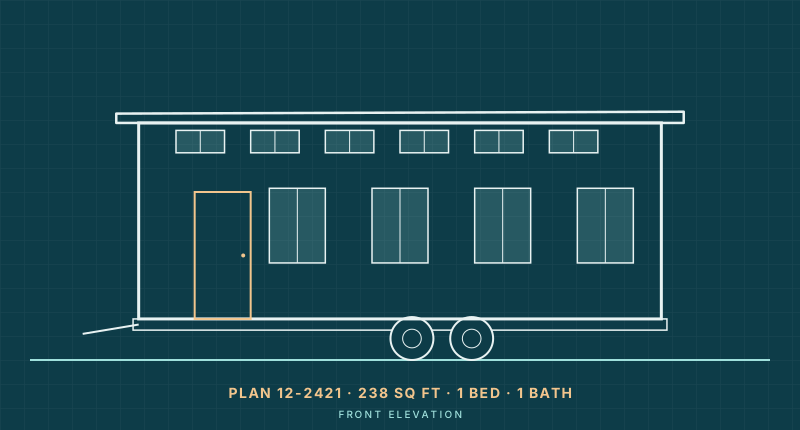
Plan 12-2421
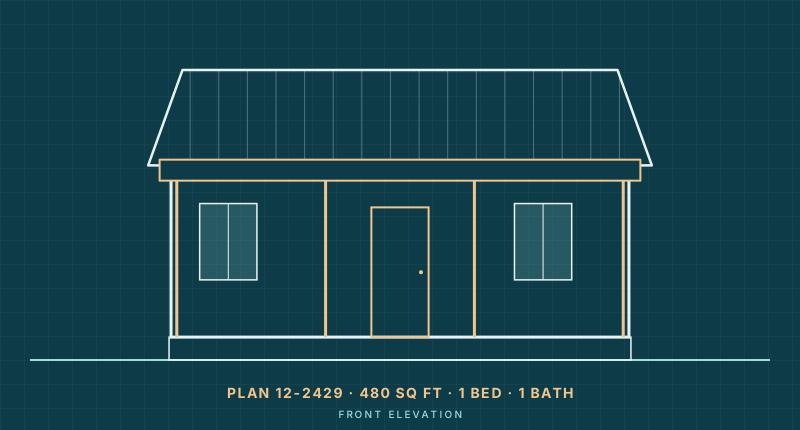
Plan 12-2429
For a new home, an established tiny house builder with references, certification and a finished house you can tour. For a used home, tiny house listing sites and marketplaces, but only after an in-person inspection and a title check. Building from plans is the lowest-cost route if you have the time and skills.
Sometimes, for a tiny home on a permanent foundation on land you own, although small homes can be hard to appraise and some lenders have minimum loan amounts. Tiny houses on wheels are usually financed with RV loans if certified, or with personal loans or builder financing.
A used tiny house can save money and is available right away, but you take on any hidden damage and paperwork gaps. A new builder home costs more but usually includes certification and a warranty. Either way, inspect before you pay in full.
You need a confirmed, legal place to put it, which may be your own land, a backyard ADU lot, a tiny home community or an RV park that accepts tiny houses. Securing that spot first avoids buying a house you have nowhere to keep.
Usually a title or certificate of origin, a VIN, and, for certified homes, an RV or park model certification label. Ask for the trailer GVWR, the manual for appliances and any warranty documents. Requirements vary by state.
Browse build-ready tiny house plans from Tiny Homes Blueprint, or ask us about modifying a design for your site.